Embrace Whimsy: The Sleeping Bunny with Flower Decorative Font
Finding a typeface that captures a specific emotion without overwhelming the viewer is a challenge every designer faces. Whether you are crafting a brand identity for a boutique bakery or designing social media graphics for a lifestyle blog, the typography sets the tone before the audience reads a single word. Enter the Sleeping Bunny with Flower Decorative font—a typeface that brings a unique blend of serenity and botanical charm to your creative toolkit.
Visual Characteristics and Personality
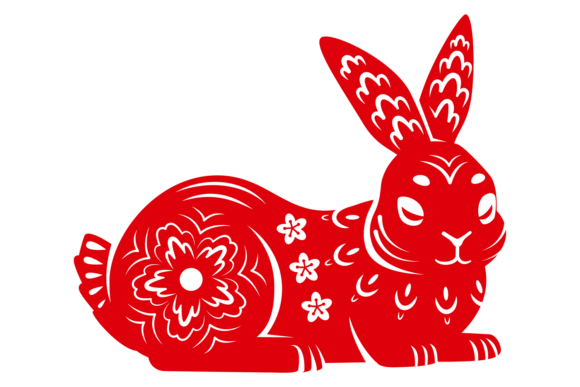
At its core, the Sleeping Bunny with Flower Decorative typeface is a celebration of organic forms. Unlike rigid sans serif fonts or traditional serif fonts that adhere strictly to geometric grids, this design leans into the aesthetic of hand-drawn illustration. The defining feature of this font is the integration of floral elements. You will notice that many of the letterforms are accented with small buds, leaves, or vine-like swashes that extend from the main strokes. This gives the typography a sense of growth and life, making it an excellent choice for projects that require a touch of nature.
The personality of this font is undeniably gentle. It evokes a sense of calm and whimsy, reminiscent of a quiet garden or a storybook illustration. However, it is important to note that this is a decorative font. It is not designed for long-form body text or dense paragraphs. Its strength lies in its ability to act as a focal point. The weight of the strokes can vary depending on the specific style included in the family, but generally, it maintains a medium weight that ensures legibility while preserving the delicate details of the floral embellishments.
Where This Font Works Best
Understanding the context is vital for any premium font. The Sleeping Bunny with Flower Decorative typeface shines brightest in applications where visual impact is the priority over information density. It is a prime candidate for logo design, particularly for brands in the wellness, beauty, floral, or artisanal food sectors. Imagine a high-end soap brand using this font for its wordmark; the floral details immediately communicate the product's natural ingredients without needing additional imagery.
Beyond branding, this typeface is a powerful asset for packaging design. On a physical product, the texture of the font can complement the tactile experience of the packaging. It works beautifully on labels, hang-tags, and wrapping paper. For editorial design, think of magazine headers or pull quotes where you need to break the monotony of a standard sans serif font. It provides a necessary visual pause and draws the reader's eye to specific content.
Digital applications are equally viable. In web design, this font should be reserved for hero sections, H1 headers, or specific call-to-action buttons where large text sizes allow the details to render clearly. For social media graphics, it is a standout choice. Instagram stories, Pinterest pins, and Facebook banners often require immediate visual hook; the distinctiveness of the Sleeping Bunny with Flower Decorative style ensures that your content stands out in a crowded feed.
Strategic Impact on Brand Identity
Typography is the voice of your brand. Choosing the Sleeping Bunny with Flower Decorative typeface makes a specific statement about your brand's values. It suggests a preference for authenticity, creativity, and a connection to the natural world. It moves a brand away from the cold, corporate feel of standard business fonts and toward a more approachable, human-centric identity.
However, using such a distinctive creative font requires a strategy regarding visual hierarchy. Because the font has high ornamental value, it pairs best with clean, neutral typefaces. A common mistake is pairing a decorative font with another complex script font or a heavy handwritten font, which creates visual noise. Instead, balance the whimsy of the bunny font with a structured modern typography choice for your body copy. A clean geometric sans serif or a simple, readable serif font will ground the design, allowing the decorative headers to pop without sacrificing readability.
Practical Guidance for Implementation
Before integrating this asset into your workflow, there are practical considerations to address. First, always review the font pairing potential. Test the Sleeping Bunny with Flower Decorative font against your secondary typeface to ensure the x-heights and weights are compatible. You want a harmonious contrast, not a conflict.
Second, check the licensing. If you are a small business owner or a freelancer, ensure you are looking at the commercial font license. Many design assets come with different tiers; a desktop license might differ from a web font license or a license for print-on-demand merchandise. Respecting these boundaries is crucial for professional integrity.
Third, pay attention to the file formats. Ideally, your premium font purchase should include versatile formats like SVG or transparent PNG for the ornamental elements, alongside the standard OTF or TTF files. This allows you to use the floral embellishments as standalone graphic elements in your layouts, separate from the text itself.
Final Thoughts on Application
The Sleeping Bunny with Flower Decorative typeface is more than just a set of letters; it is a design element in its own right. It appeals to crafters, hobbyists, and publishers alike who are looking to inject personality into their work. For entrepreneurs, it offers a way to differentiate a brand in a saturated market. For designers, it provides a tool to evoke specific emotions instantly.
When used correctly, this font does not just display words; it tells a story. It invites the viewer to slow down and appreciate the beauty in the details. Whether you are designing a wedding invitation or a hero image for a website, the Sleeping Bunny with Flower Decorative